Latte vs Cappuccino: Key Differences Every Coffee Lover Should Know
Ordering coffee should be simple, but many people hesitate to choose between a latte vs cappuccino. Both drinks come from espresso and milk, but the flavor and texture are completely different. Want to find out what is the difference between a latte and a cappuccino? Keep reading to find out and get rid of confusion.

What is a Latte?
A latte, also known as caffè latte, is one of the most popular espresso-based drinks. The word “latte” comes from Italy and simply means milk coffee. If you are confused about what is a latte drink, it is essentially espresso combined with steamed milk and a small layer of foam on top.
Lattes are known for their smooth, creamy taste and are usually preferred by people who enjoy mild coffee flavors.

What is in latte?
The basic latte contains only three ingredients:
- Espresso shot
- Steamed milk
- Thin milk foam layer
The large amount of milk gives the drink its signature creamy texture and slightly sweet flavor.
What is a Cappuccino?
A cappuccino is another classic Italian espresso drink. It is known for its bold coffee taste and thick foam layer. The name comes from the Capuchin monks, whose robes resembled the drink’s color.
It is traditionally made using equal parts espresso, steamed milk, and milk foam.

Cappuccino Ingredients
Standard cappuccino ingredients include:
- Espresso
- Steamed milk
- Thick foam layer
Unlike lattes, cappuccinos contain less milk and more foam. So it tastes stronger.
Latte vs Cappuccino – What’s the Real Difference?
Understanding the difference between latte and cappuccino helps you choose the right coffee based on taste and texture preferences.
Latte vs Cappuccino Milk Ratio Difference
The biggest difference comes from the milk proportion.
| Drink | Espresso | Steamed Milk | Foam |
| Latte | 1 shot | High amount | Thin layer |
| Cappuccino | 1 shot | Medium amount | Thick layer |
Lattes contain more milk, while cappuccinos maintain a balanced three-part ratio.
Taste and Flavor Difference
Latte tastes smoother and slightly sweeter due to extra milk. Cappuccino tastes stronger and richer because the foam enhances the espresso flavor. If you prefer mild coffee, a latte usually feels lighter. If you enjoy bold coffee flavor, a cappuccino feels more satisfying.
Texture and Foam Difference
Texture plays a huge role in the drinking experience. Latte has a silky and creamy texture. While cappuccino has an airy and frothy texture.
Cappuccino foam creates a thicker mouthfeel, while a latte offers a smoother finish.

Caffeine Difference
Both drinks typically use the same espresso amount, so caffeine content is usually similar. However, cappuccinos feel stronger because they contain less milk dilution.
Coffee shops sometimes offer size variations. When browsing beverage options, you will notice caffeine differences depending on the serving size listed on the Dunkin Donuts menu, where drink customization can change espresso strength.
Calories and Nutrition Difference
If we compare, nutrition lattes usually contain more calories because they include more milk. Cappuccinos generally contain fewer calories since foam replaces part of the milk. Choosing skim or plant-based milk can reduce calorie intake for both drinks.
Serving Style and Presentation
- Lattes are served in larger cups or glasses.
- Cappuccinos are served in smaller cups with thicker foam topping.
Latte drinks often include latte art, while cappuccinos focus on foam structure.
Is Latte Steamed?
Yes, milk used in a latte is steamed. Baristas heat milk using steam pressure, which creates microfoam. This process blends milk and foam together. It makes the drink velvety and smooth rather than bubbly or airy.
Steamed milk also helps balance espresso bitterness, making lattes easier to drink for beginners.

Does Latte Have Caffeine?
Yes, a latte contains caffeine because it includes espresso. A standard latte usually contains:
- 60–80 mg caffeine (single shot)
- 120–150 mg caffeine (double shot or large size)
Caffeine levels mainly depend on the espresso quantity and cup size. Many coffee shops offer different sizes, which can slightly change caffeine strength.
How is Latte Served?
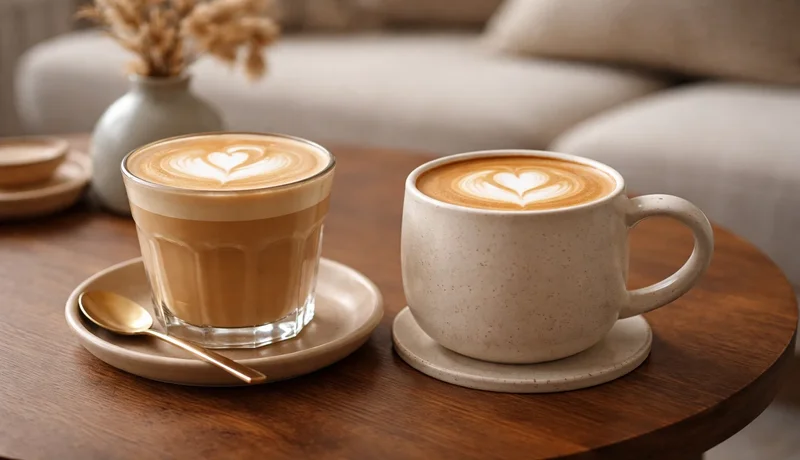
Many people ask, is a latte served in a mug or a glass? Traditionally, lattes are served in ceramic mugs and tall glass cups. Some other terms are also used like:
- Latte cup: It’s a large cup designed to hold milk-heavy drinks.
- Latte bowl: WA widerbowl-style cup sometimes used in European cafés.
These larger serving styles reflect the higher milk content of lattes.
What is a Double Latte?
A double latte simply contains two shots of espresso instead of one. This version increases caffeine strength while maintaining the same creamy milk ratio. People who enjoy a stronger coffee flavor often prefer double lattes.
Types of Cappuccino

There are several variations available today:
- Dry Cappuccino: It contains more foam and less milk, resulting in a stronger flavor.
- Wet Cappuccino: It includes slightly more steamed milk, making it creamier.
- Flavored Cappuccino: Includes syrups like vanilla, caramel, or chocolate.
- Iced Cappuccino: A chilled version served with cold milk and ice, popular in warmer climates.
How to Make Cappuccino at Home
Cappuccino Ingredients
You only need:
- Fresh espresso
- Milk
- Optional sweeteners or flavors

Equipment Needed
- Espresso machine or coffee maker
- Milk frother or steam wand
- Coffee cup
Cappuccino Recipe Step-by-Step
- Brew one shot of espresso.
- Steam milk until warm and slightly foamy.
- Pour steamed milk over espresso.
- Add ta hick foam layer on top.

Tips to Make Perfect Foam
- Use cold milk before steaming.
- Keep the steam wand slightly below the milk surface.
- Tap and swirl milk after frothing to remove bubbles.
Practicing the foam technique helps achieve café-quality cappuccino at home.
Latte vs Cappuccino – Which One Should You Choose?
Choose Latte if you like creamy, mild coffee and enjoy flavored coffee drinks. Cappuccino should be better if you prefer a strong espresso flavor, foam texture and want lighter milk content.
Many customers compare these drinks before deciding what to order, and the beverage descriptions found in the Dunkin Donuts menu. It helps coffee drinkers understand flavor intensity and customization options available.
Frequently Asked Questions About Latte vs Cappuccino
Is Cappuccino Served Hot or Cold?
Traditionally, cappuccino is served hot and consumed during breakfast hours in Italy. However, modern cafes now serve iced versions as well, giving customers more flexibility based on weather and taste preferences.
What is the difference between a latte and a cappuccino?
A latte contains more milk and less foam, while a cappuccino contains an equal milk and foam ratio, making it stronger in taste.
Which drink has more caffeine latte or a cappuccino?
Both drinks usually contain similar caffeine levels since they use espresso shots. Strength mainly depends on the espresso quantity.
Is a cappuccino stronger than a latte?
Yes, cappuccino often tastes stronger because it contains less milk.
Which drink has more milk?
A latte contains significantly more milk compared to a cappuccino.
Can cappuccino be iced?
Yes, modern coffee shops offer iced cappuccino versions, especially in warmer seasons.
Final Verdict
Choosing between latte vs cappuccino ultimately depends on your taste preference and coffee strength choice. Both latte and cappuccino are classic espresso drinks that deliver unique coffee experiences. A latte offers creamy smoothness and mild flavor. A cappuccino delivers bold taste and thick foam texture. The best choice depends on how strong you like your coffee and how much milk you enjoy.